
Tower — A Clear Guide to the Card Climb
A card-based climb where each next step invites a fresh choice about pace, progress and risk.
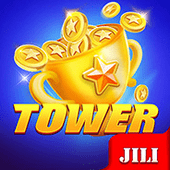
Tower is a compact card game about moving upward through a sequence while deciding whether to continue or secure the progress made. The central appeal is the tension between a possible next step and the value of stopping on your own terms.
For a first visit, take time to understand the round display and any rules shown in the game itself. A Tower Demo can be useful for learning the interface where a demo mode is offered; it does not predict future outcomes.
More card picks alongside Tower
Compare a few listed card titles when you want a different rhythm; each item opens the site's game destination.


What makes Tower a choice-led card game?
In short, Tower centers each round on a visible climb and a decision about whether to continue.
Tower is a cards experience rather than a long-form campaign: the player follows the current round, reads the available choice, and decides how far to advance. That simple loop makes the game easy to approach, while the uncertainty of a next move gives each step its own weight.
Do not treat a previous result as a signal about the next one. Outcomes in chance-based games can vary, and no route guarantees a win. Read the in-game rules for the exact mechanics, available controls and any conditions that apply to a session.
Readable progression
A climb metaphor makes the current point in a round easy to follow.
Player-paced choices
Consider each displayed action instead of rushing from one step to the next.
Short-session fit
A focused loop can suit a brief break when you set a firm time limit.
Rules first
Check the current game's help and terms before committing to a round.
The useful way to approach Tower is to separate interface learning from expectations about results. A Tower Demo, when available, can help you locate controls; it cannot establish a winning pattern. Visit the Quiapo Faqs for broader account and play-safety questions.
Tower features worth comparing before a round
The clearest comparison is between game pace, decision frequency and how much information the interface shows.
Tower keeps attention on successive choices rather than a large field of menus. Before starting, look at the round controls, the visible progress indicator and the rules panel. These practical checks help you understand what the game is asking without assuming that a visual effect changes the underlying chance.
- 1Progress visibility — follow the displayed climb so you know which step you are considering.
- 2Decision cadence — pause at each prompt; the game is best approached at a pace you can manage.
- 3Rule clarity — confirm how a round starts, ends and records a choice in the version you open.
- 4Session boundaries — choose a time and spending limit before play, and stop when either is reached.
Compared with a card title focused on hand evaluation, Tower's defining impression is step-by-step progression. That difference is about the play loop, not a promise of better odds or larger returns. Use the rules displayed in the game as the final authority.
A practical way to play Tower
Start by learning the controls, then make deliberate choices within a limit you set in advance.
To begin, open Tower and read its displayed instructions before entering a round. Check what each control does and how the game communicates a completed step. If a demo option is available, use it to learn navigation only; do not assume it duplicates the conditions of every other mode.
- 1Review the rules. Confirm the round sequence, actions and any stated conditions.
- 2Set a boundary. Decide your time and entertainment budget before you start; never use money needed for essentials.
- 3Follow the screen. Read the current step and available options instead of tapping through automatically.
- 4Choose your pace. Continue only when you understand the choice; stop when your pre-set session limit is reached.
- 5Take a break. If play feels stressful or you are tempted to chase a result, close the game and step away.
For access on a smaller screen, keep the browser current and use a trusted site route. The Quiapo App page explains the site's mobile-access guidance; check the official page for current options and avoid files from unknown sources. A quiapo download is not necessary to understand Tower's rules, and an installation should never be rushed.
Tower gallery: what to inspect on screen
The available local artwork identifies the title; use the live interface's own labels to understand play details.
Read the game display
Look for the current step, the choice available now and any rule text that describes how the round concludes.
Notice the control states
Before tapping, check whether a control advances the round, confirms a selection or exits the current view.
Keep outcomes in context
Past rounds and visual milestones are not evidence that a future result is due or guaranteed.
Only the supplied Tower artwork is used here; the page does not invent screenshots or claim to show unverified game screens. The in-game help is the right place to confirm live controls and rules.
Tower milestones are progress cues, not guarantees
Treat a climb or completed step as feedback about the current round, never as a forecast of a payout.
In Tower, the most useful milestones are practical: learning where the next choice appears, understanding how the round records progress, and recognizing when to end a session. These are player-controlled goals that make the experience easier to follow without implying a reward is certain.
There is no reliable trick that removes chance from a game. If a session no longer feels recreational, the best achievement is to stop. The simple route back to the site's listed catalog is Index, where you can choose a different category without confusing it with a result guarantee.
Where Tower can fit your play session
Choose Tower when a focused, decision-led card loop matches the time and attention you can comfortably give.
Short break
Set a brief timer and stop when it ends, even if a round feels unfinished.
Learning the interface
Read each prompt and use any demo access only to understand controls.
Mobile browsing
Keep the screen comfortable to read and avoid tapping while distracted.
Taking a pause
Leave the session whenever it stops feeling like light entertainment.
Tower is not suited to chasing losses, borrowing to play or trying to turn a game into dependable income. Keep participation within local rules and age requirements, protect account details and review the terms before using any promotion. If you are unsure about an offer or access route, pause and verify it rather than following an unsolicited message.
Make your Tower session a considered one
Read the rules, set a personal limit and decide your stopping point before starting. Results vary, and no outcome is guaranteed.